
What to Expect During Dental Implant Recovery
Dental implant recovery involves both soft-tissue healing and the gradual integration of the implant with the surrounding bone. These processes occur at different rates. As a result, the site may appear improved before deeper healing is complete.
Understanding dental implant recovery can help you recognize expected changes and identify when follow-up care may be needed. Early care helps protect the surgical site as healing progresses.
What to Expect in the First 24 Hours
After the procedure, a blood clot forms around the implant site. This clot helps protect the surgical area and supports early tissue healing.
You may notice:
- light bleeding within the first several hours
- swelling around the gums or the nearby facial area
- mild pressure or discomfort near the site
The focus during this period is to avoid disturbing the clot. Actions such as forceful rinsing or touching the area may affect early healing.
Changes During the First Few Days
During the next few days, the surrounding tissues respond to the procedure. Swelling may increase before it begins to decrease.
You may experience:
- sensitivity when chewing
- mild bruising near the gums
- temporary stiffness when opening the mouth
These findings are commonly associated with the body’s response to surgery and do not typically indicate a complication.
How Healing Develops Over the First Few Weeks
Within one to two weeks, the gum tissue begins to close around the implant. The surface may appear stable; however, healing continues below the gum line.
The overall dental implant healing time varies. While early tissue healing may occur within days, the implant requires additional time to integrate with the bone.
A dentist in Surrey may evaluate the site during follow-up visits to assess healing and determine the next steps in treatment.
What Occurs Below the Surface
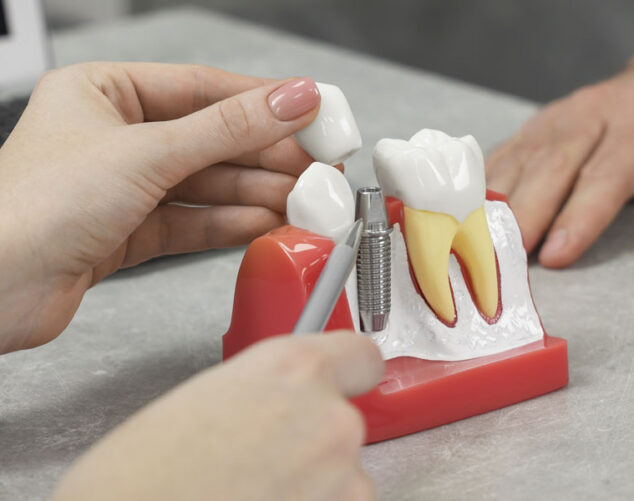
The implant slowly connects with the bone through a biological process, creating a stable foundation as healing progresses. This stage contributes to long-term stability.
This part of recovery may not produce noticeable symptoms. Even if the area feels comfortable, the underlying bone may still be integrating with the implant.
Patients receiving dental implants and mini-implants in Surrey, BC, are typically advised to follow care instructions closely during this period to avoid unnecessary stress on the implant.
The Role of Ongoing Care
Care does not end after the initial healing period. The implant site continues to change as integration progresses.
Proper dental implant aftercare includes:
- maintaining oral hygiene without disturbing the site
- avoiding repeated pressure on the implant
- attending scheduled follow-up visits
A dentist near you may adjust recommendations based on clinical findings during recovery.
How Daily Habits May Influence Recovery
Activities such as eating and physical movement can affect the implant site. Chewing forces are transferred through the teeth and may influence how the implant area responds.
Foods that require significant biting or grinding may place additional force on the implant. Selecting foods that require less chewing may help reduce pressure during recovery.
When to Seek Follow-Up Care
Recovery may vary between individuals. While most symptoms improve over time, certain changes should be assessed.
You should contact your dentist if you notice:
- increasing pain rather than improvement
- swelling that does not decrease
- bleeding that continues beyond the initial period
Timely evaluation helps determine whether additional care is needed.
FAQs
Initial recovery may take several days to a few weeks. Full healing, including integration with the bone, may take several months, depending on individual factors.
Mild swelling, light bleeding, and localized discomfort are common early findings. These typically improve as healing progresses.
Light bleeding during the first 24 hours is common. A dental professional should evaluate persistent or heavy bleeding.
In the initial recovery phase, softer foods that require minimal chewing help reduce strain and make eating easier. Avoiding pressure on the implant site is typically recommended.
Hot beverages and alcohol may be limited during early recovery, as they can affect the surgical site. We provide recommendations based on your individual situation and how the area is healing.
Understanding Recovery Over Time
Recovery after implant placement involves both visible and internal changes.
Allowing each stage to progress without disruption may help reduce complications.
At Newton Dental Group, patients receive guidance based on individual healing progress and clinical evaluation.